The Old Lion 年迈的狮子 (精美插图) 双语 拼音注音 伊索寓言
标签:伊索寓言 儿童故事集 中英对照翻译 双语故事 拼音注音
Last Update 最后更新: 2022-01-12
The Old Lion (English)
Total Words: 97
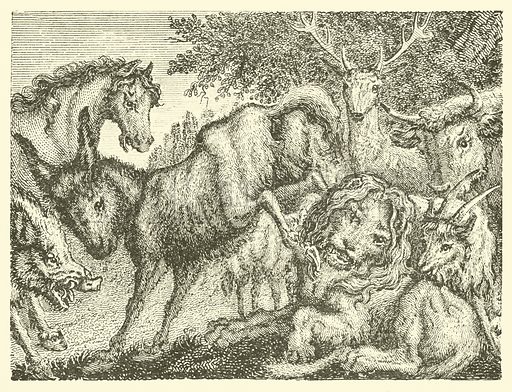
A Lion had grown very old. His teeth were worn away. His limbs could no longer bear him, and the King of Beasts was very pitiful indeed as he lay gasping on the ground, about to die.
Where now his strength and his former graceful beauty?
Now a Boar spied him, and rushing at him, gored him with his yellow tusk. A Bull trampled him with his heavy hoofs. Even a contemptible Ass let fly his heels and brayed his insults in the face of the Lion.
Moral: It is cowardly to attack the defenseless, though he be an enemy.
年迈的狮子 (中文翻译 拼音注音)
有一头狮子年纪很大了。他的牙齿已经磨光了。身体也十分虚弱了,曾经的万兽之王如今令人唏嘘不已,他躺在地上喘着气,行将就木了。
他曾经的力量和婀娜多姿,如今都到哪儿去了呢?
这个时候,一头野猪瞧见了他,那头野猪迅速地冲过去,用那泛黄的獠牙攻击他。 一头公牛用则用那沉重的蹄子踩踏他。 即便是一头可鄙的驴,不仅踢他,还用粗俗的话去羞辱他。


Relevant Fables 相关寓言故事
- 伊索寓言:The Lion and the Mouse 狮子和老鼠
- 伊索寓言:The Lion and the Ass 狮子和驴
- 伊索寓言:The Lion and the Gnat 狮子和蚊子
- 伊索寓言:The Ass the Fox and the Lion 驴,狐狸和狮子
- 伊索寓言:The Lion the Bear and the Fox 狮子、熊和狐狸
- 伊索寓言:The Wolf and the Lion 狼和狮子
- 伊索寓言:The Fox and the Lion 狐狸和狮子
- 伊索寓言:Three Bullocks and a lion 三头公牛和一只狮子
- 伊索寓言:The Old Lion and the Fox 年迈的狮子和狐狸
- 伊索寓言:The Man and the Lion 人和狮子
- 伊索寓言:The Shepherd and the Lion 牧羊人和狮子
About 关于
The Aesop Fables for Children 伊索寓言儿童故事全集 (图文英汉双语版) (this work), the english fables originally from The Aesop for Children: with Pictures by Milo Winter published by Rand, McNally & Co in 1919. Some of pictures come from Library of Congress. This work is considered to be in the public domain in the United States. The Aesop Fables for Children contains the text of selected fables, color pictures, video, and interactive animations, and will be enjoyed by readers of any age.
The Aesop Fables for Children are a collection of stories designed to teach moral lessons credited to Aesop, a Greek slave and story-teller thought to have lived between 620 and 560 BCE.
Aesop's fables are some of the most well known in the world and have been translated in multiple languages and become popular in dozens of cultures through the course of five centuries. They have been told and retold in a variety of media, from oral tradition to written storybooks to stage, film and animated cartoon versions—even in architecture. This page include translation to Simplified Chinese.
伊索寓言是一部世界上最早的寓言故事集,是世界文学史上流传最广的寓言故事之一。 本文包含伊索寓言故事英文原文和简体中文翻译(中英双语)。
