The Wolf and the Lion 狼和狮子 (精美插图) 双语 拼音注音 伊索寓言
标签:伊索寓言 儿童故事集 中英对照翻译 双语故事 拼音注音
Last Update 最后更新: 2022-01-12
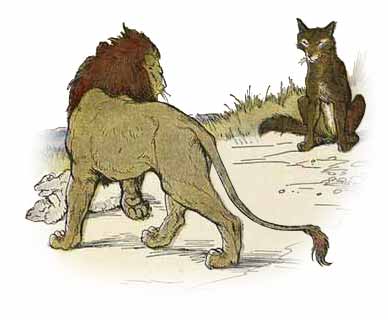
The Wolf and the Lion (English)
Total Words: 116
A Wolf had stolen a Lamb and was carrying it off to his lair to eat it. But his plans were very much changed when he met a Lion, who, without making any excuses, took the Lamb away from him.
The Wolf made off to a safe distance, and then said in a much injured tone:
"You have no right to take my property like that!"
The Lion looked back, but as the Wolf was too far away to be taught a lesson without too much inconvenience, he said:
"Your property? Did you buy it, or did the Shepherd make you a gift of it? Pray tell me, how did you get it?"
Moral: What is evil won is evil lost.
狼和狮子 (中文翻译 拼音注音)
从前有一只狼偷了一头羊羔,准备带回自己的巢穴去享用。但一只狮子的突然出现打乱了狼的计划,这只狮子一上来就二话不说地抢走了他的羊羔。
狼退到一个安全的地方,然后用很受伤的语气说:
“你没有权这样子抢走我的东西!”
狮子回过头来,但是狼走得太远了,不方便教训他,于是狮子说:
“你的东西?这只羊是你买下的吗,还是说牧羊人送你的?请告诉我,这只羊你是怎么弄到手的?”


Relevant Fables 相关寓言故事
- 伊索寓言:The Wolf and the Crane 狼和鹤
- 伊索寓言:The Lion and the Mouse 狮子和老鼠
- 伊索寓言:The Wolf in Sheep's Clothing 披着羊皮的狼
- 伊索寓言:The Mother and the Wolf 母亲和狼
- 伊索寓言:The Wolf and the Kid 狼和小羊
- 伊索寓言:The Kid and the Wolf 小羊和狼
- 伊索寓言:The Shepherd Boy and the Wolf 狼来了
- 伊索寓言:The Lion and the Ass 狮子和驴
- 伊索寓言:The Wolf and His Shadow 狼和他的影子
- 伊索寓言:The Lion and the Gnat 狮子和蚊子
- 伊索寓言:The Ass the Fox and the Lion 驴,狐狸和狮子
- 伊索寓言:The Lion the Bear and the Fox 狮子、熊和狐狸
- 伊索寓言:The Wolf and the Lamb 狼和小羊
- 伊索寓言:The Wolf and the Sheep 狼和羊
- 伊索寓言:The Wolf and the Lean Dog 狼和瘦狗
- 伊索寓言:The Fox and the Lion 狐狸和狮子
- 伊索寓言:The Wolf and the Ass 狼和驴
- 伊索寓言:The Wolf and the Goat 狼和山羊
- 伊索寓言:The Wolf and the Shepherd 狼和牧羊人
- 伊索寓言:Three Bullocks and a lion 三头公牛和一只狮子
- 伊索寓言:The Old Lion and the Fox 年迈的狮子和狐狸
- 伊索寓言:The Man and the Lion 人和狮子
- 伊索寓言:The Wolf and the Shepherd 狼和牧羊人
- 伊索寓言:The Wolf and the House Dog 狼和家犬
- 伊索寓言:The Old Lion 年迈的狮子
- 伊索寓言:The Stag the Sheep and the Wolf 鹿、羊和狼
- 伊索寓言:The Shepherd and the Lion 牧羊人和狮子
About 关于
The Aesop Fables for Children 伊索寓言儿童故事全集 (图文英汉双语版) (this work), the english fables originally from The Aesop for Children: with Pictures by Milo Winter published by Rand, McNally & Co in 1919. Some of pictures come from Library of Congress. This work is considered to be in the public domain in the United States. The Aesop Fables for Children contains the text of selected fables, color pictures, video, and interactive animations, and will be enjoyed by readers of any age.
The Aesop Fables for Children are a collection of stories designed to teach moral lessons credited to Aesop, a Greek slave and story-teller thought to have lived between 620 and 560 BCE.
Aesop's fables are some of the most well known in the world and have been translated in multiple languages and become popular in dozens of cultures through the course of five centuries. They have been told and retold in a variety of media, from oral tradition to written storybooks to stage, film and animated cartoon versions—even in architecture. This page include translation to Simplified Chinese.
伊索寓言是一部世界上最早的寓言故事集,是世界文学史上流传最广的寓言故事之一。 本文包含伊索寓言故事英文原文和简体中文翻译(中英双语)。
